Research Interests
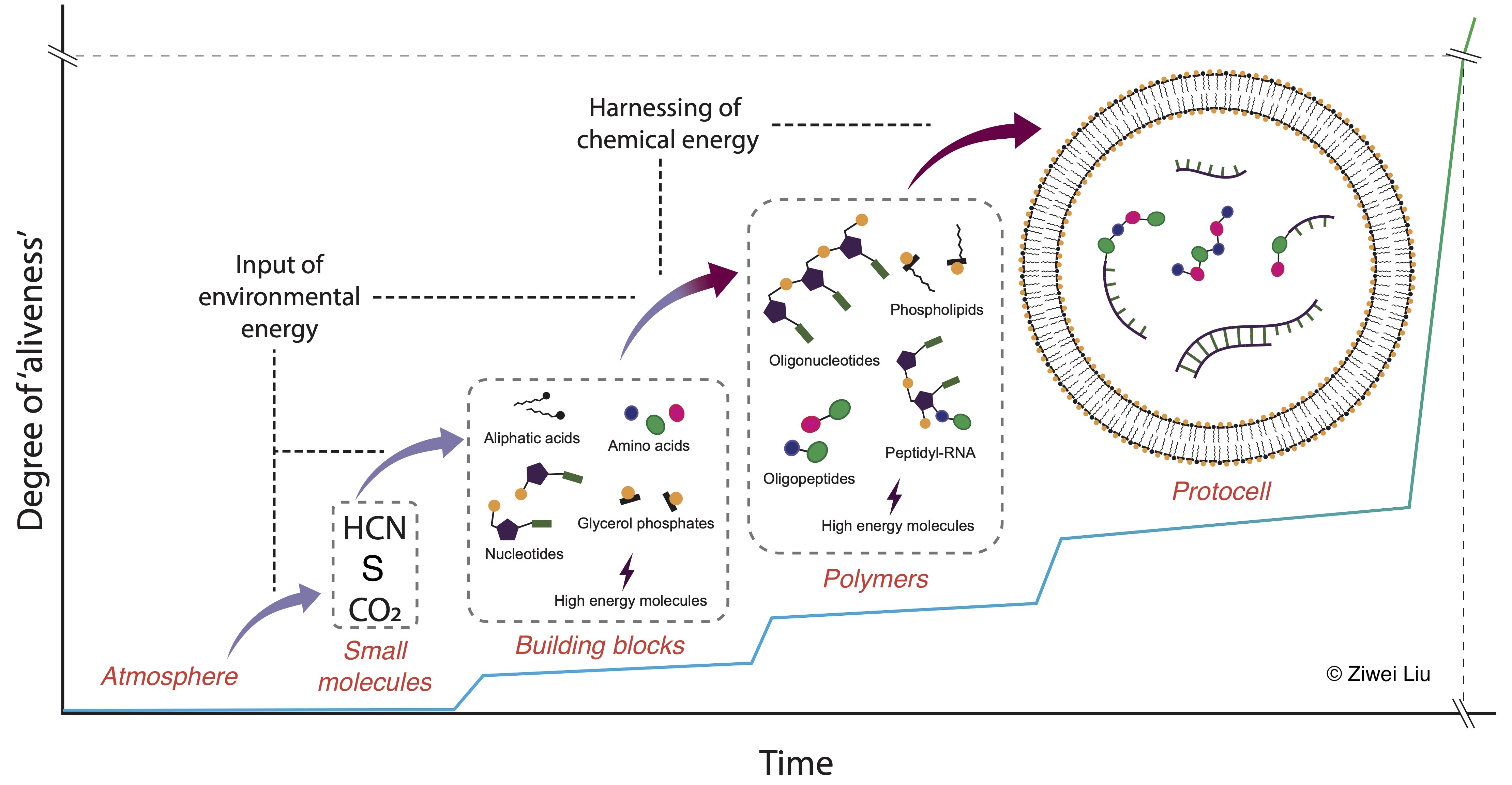
My research investigates how simple prebiotic molecules can self-organize into increasingly complex chemical systems that exhibit life-like properties. I focus on chemically and geochemically plausible environments where energy, mineral surfaces, and reactive small molecules drive the formation of key building blocks, polymers, and reaction networks. By studying the progression from simple feedstock chemistry to organized reaction networks, molecular assemblies, and compartmentalized protocell-like systems, my work aims to elucidate the physicochemical principles underlying the emergence of early life on Earth and to inform the search for life in planetary environments beyond our own.
(1/6) Aqueous Geochemistry:
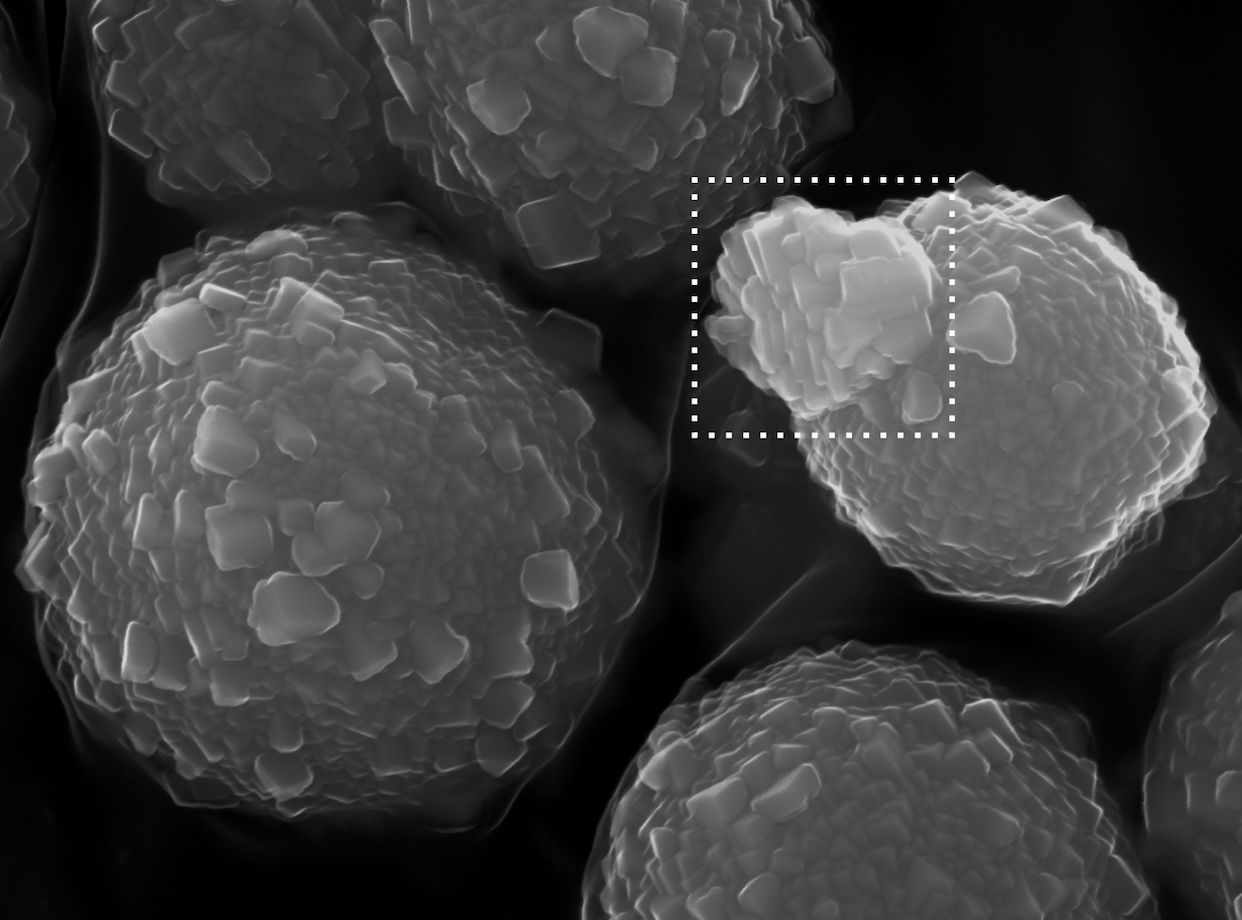
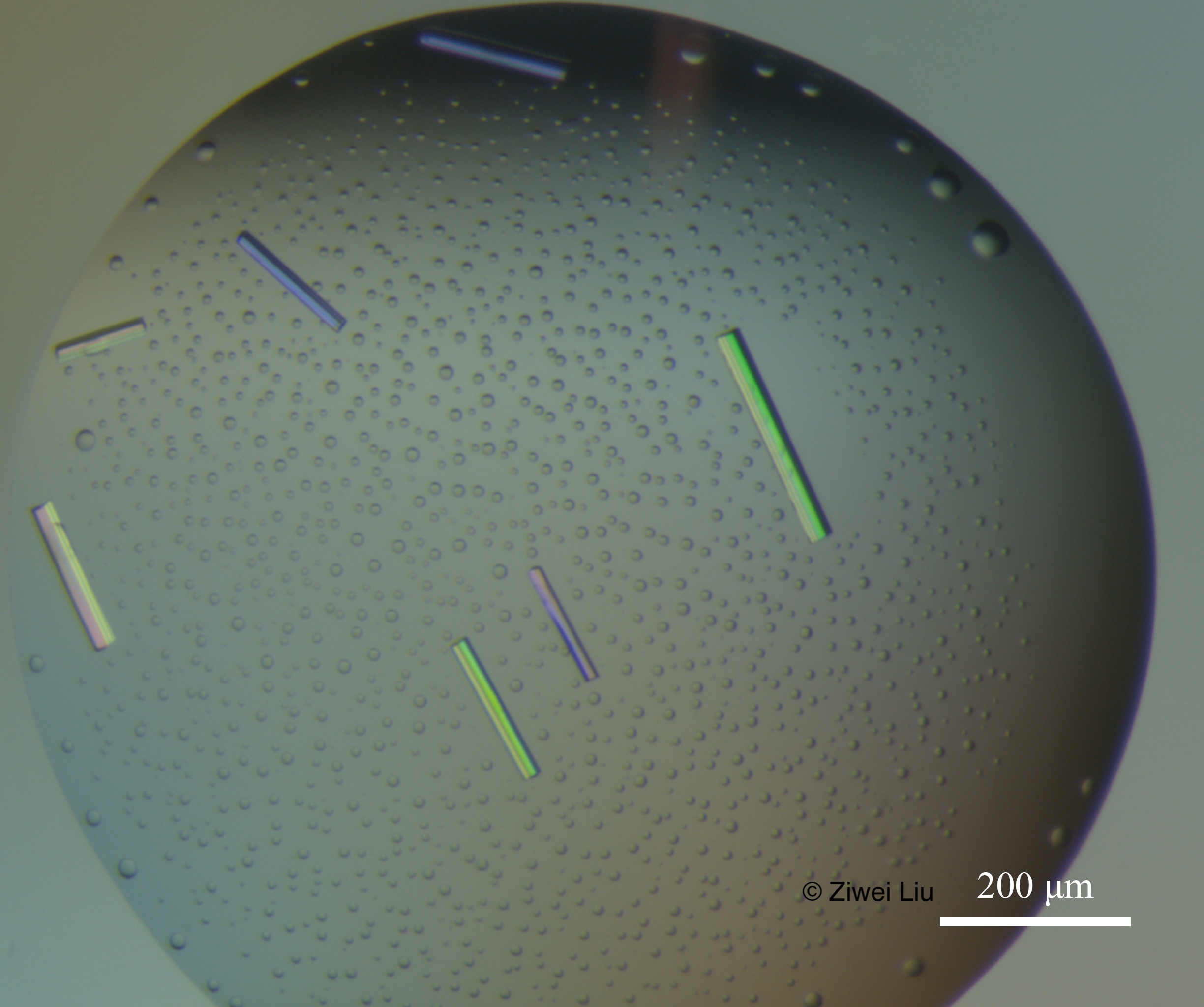
Investigating the rhodochrosite precipitation kinetics and carbon isotope fractionation, suggesting that neither Mn(II)-carbonate nor -silicate could have limited Mn2+ concentrations in anoxic water bodies.
(See: Articles No. 34 in Publications List)
Keep scrolling to explore.
Investigating the rhodochrosite precipitation kinetics and carbon isotope fractionation, suggesting that neither Mn(II)-carbonate nor -silicate could have limited Mn2+ concentrations in anoxic water bodies.
(See: Articles No. 34 in Publications List)
Keep scrolling to explore.
(2/6) Carbon dioxide reduction and inorganic/organic compounds synthesis under hydrothermal conditions:
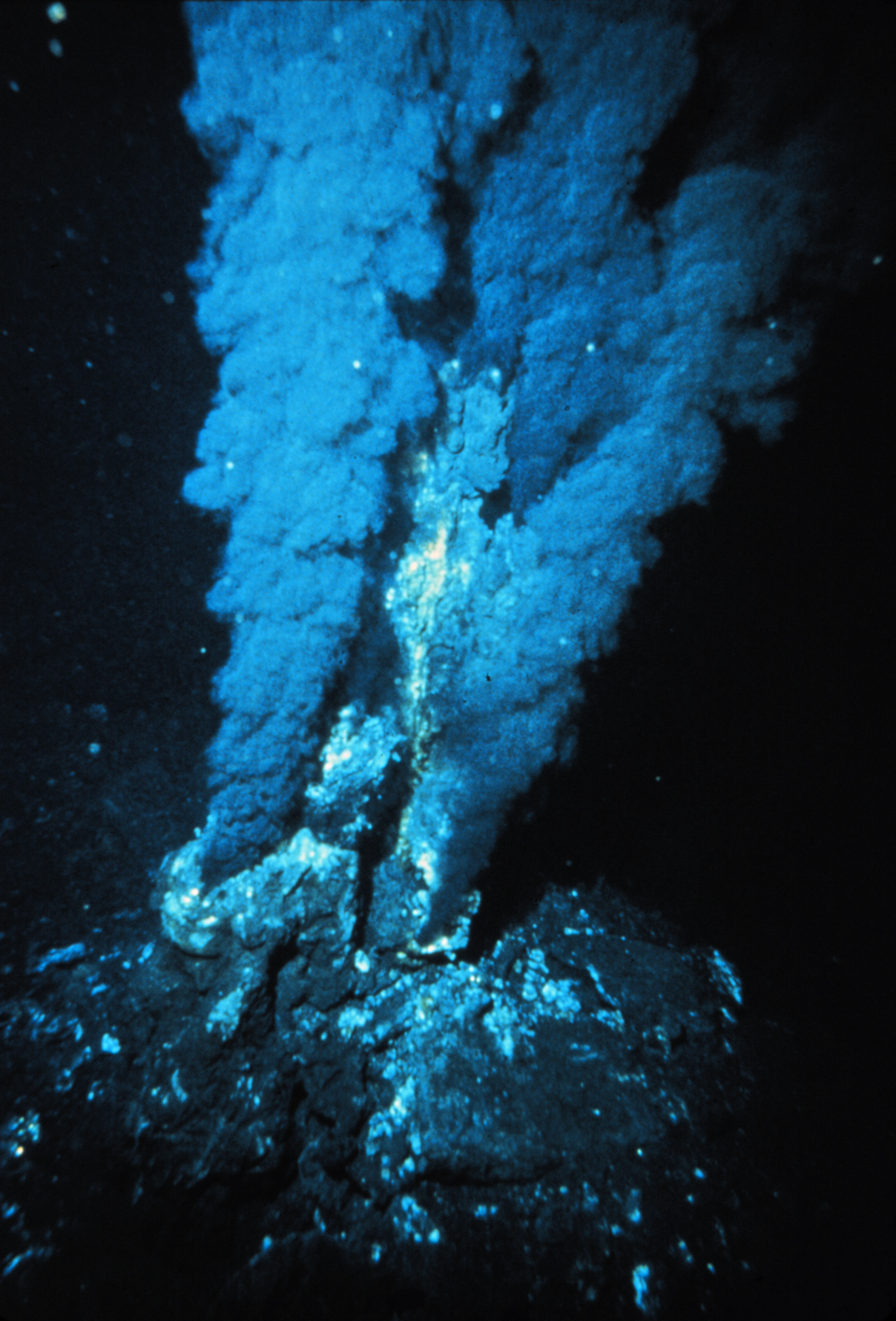
Researching the reduction of CO2 under simulated hydrothermal vent conditions as a source of early reduced carbon building blocks for metabolic pathways.
(See: Articles No. 1 to 9; Book chapter No. 1 in Publications List)
Keep scrolling to explore.
Researching the reduction of CO2 under simulated hydrothermal vent conditions as a source of early reduced carbon building blocks for metabolic pathways.
(See: Articles No. 1 to 9; Book chapter No. 1 in Publications List)
Keep scrolling to explore.
(3/6) Light-Driven Synthesis (Photoredox Chemistry):
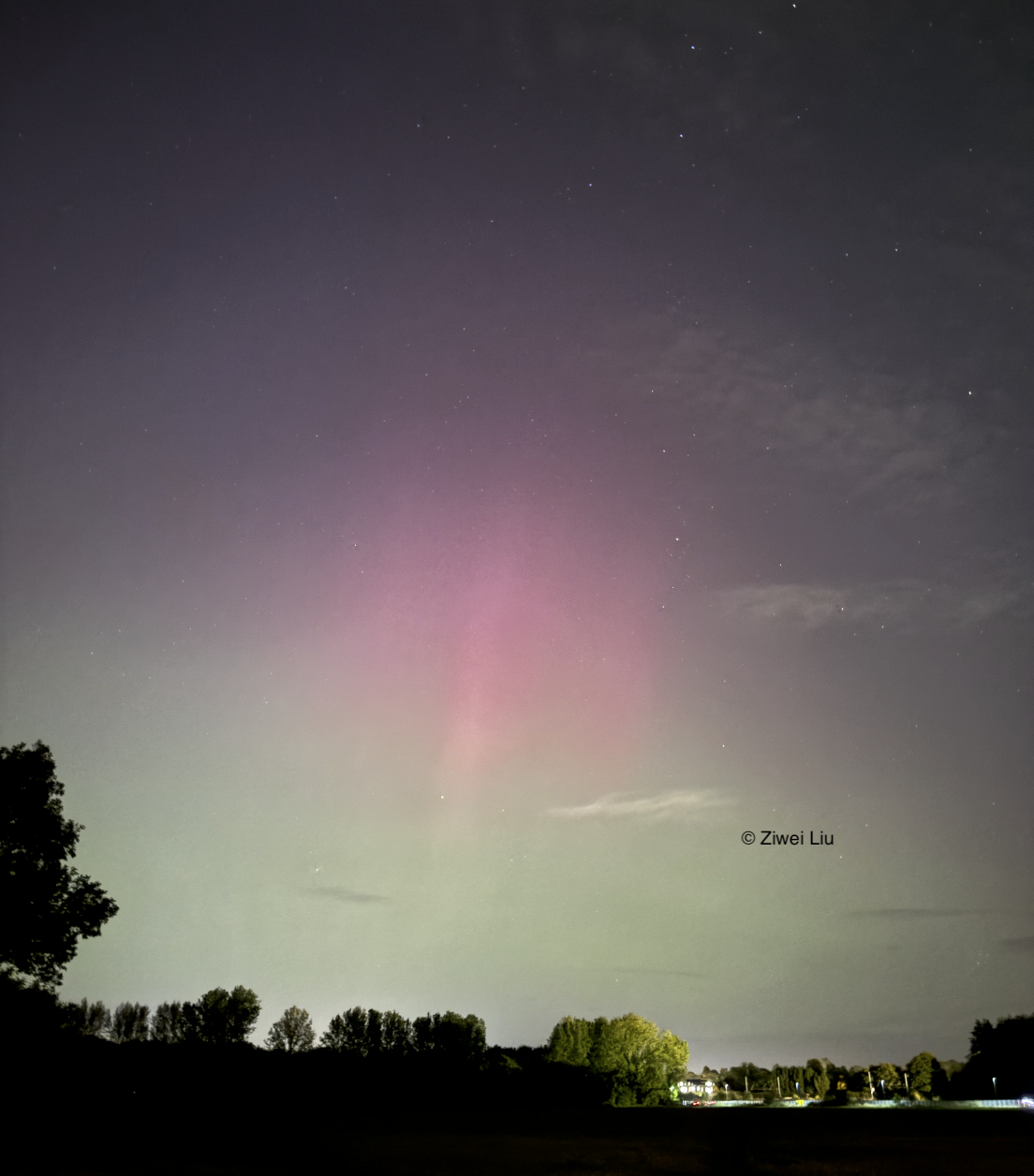
Analyzing how UV light irradiation could have provided the necessary energy and chemical potential for synthesizing complex organic molecules relevant to life's origins.
(See: Articles No. 18, 19, 22, 25, 33; Book chapter No. 2, 3 in Publications List)
Keep scrolling to explore.
Analyzing how UV light irradiation could have provided the necessary energy and chemical potential for synthesizing complex organic molecules relevant to life's origins.
(See: Articles No. 18, 19, 22, 25, 33; Book chapter No. 2, 3 in Publications List)
Keep scrolling to explore.
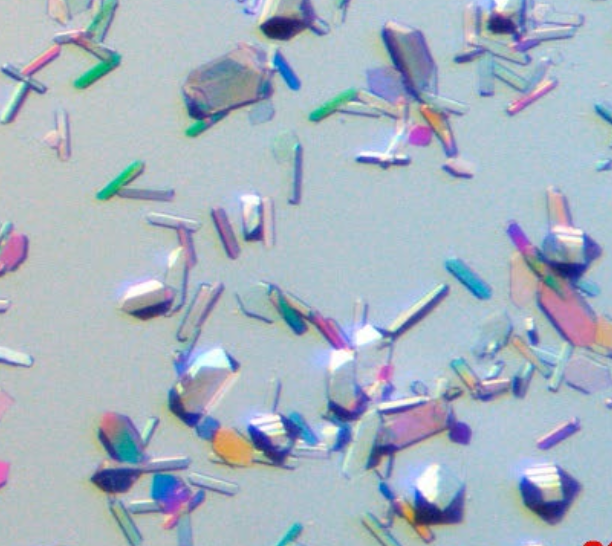
(4/6) Origin of homochirality:
Focusing on how environmental factors, such as the chiral-induced spin selectivity (CISS) effect on magnetic surfaces like magnetite, could have initiated homochirality by driving the enantioselective crystallization of RNA precursors.
(See: Articles No. 29 in Publications List)
Keep scrolling to explore.
Focusing on how environmental factors, such as the chiral-induced spin selectivity (CISS) effect on magnetic surfaces like magnetite, could have initiated homochirality by driving the enantioselective crystallization of RNA precursors.
(See: Articles No. 29 in Publications List)
Keep scrolling to explore.
(5/6) Non-Enzymatic Polymerization:
Developing chemical systems that can activate and join monomers (nucleotides, amino acids) into polymers (RNA, peptides) without the need for complex modern enzymes, driven by available chemical energy.
(See: Articles No. 10 to 15, 17, 20, 21 in Publications List)
Keep scrolling to explore.
Developing chemical systems that can activate and join monomers (nucleotides, amino acids) into polymers (RNA, peptides) without the need for complex modern enzymes, driven by available chemical energy.
(See: Articles No. 10 to 15, 17, 20, 21 in Publications List)
Keep scrolling to explore.
(6/6) The RNA World Hypothesis:
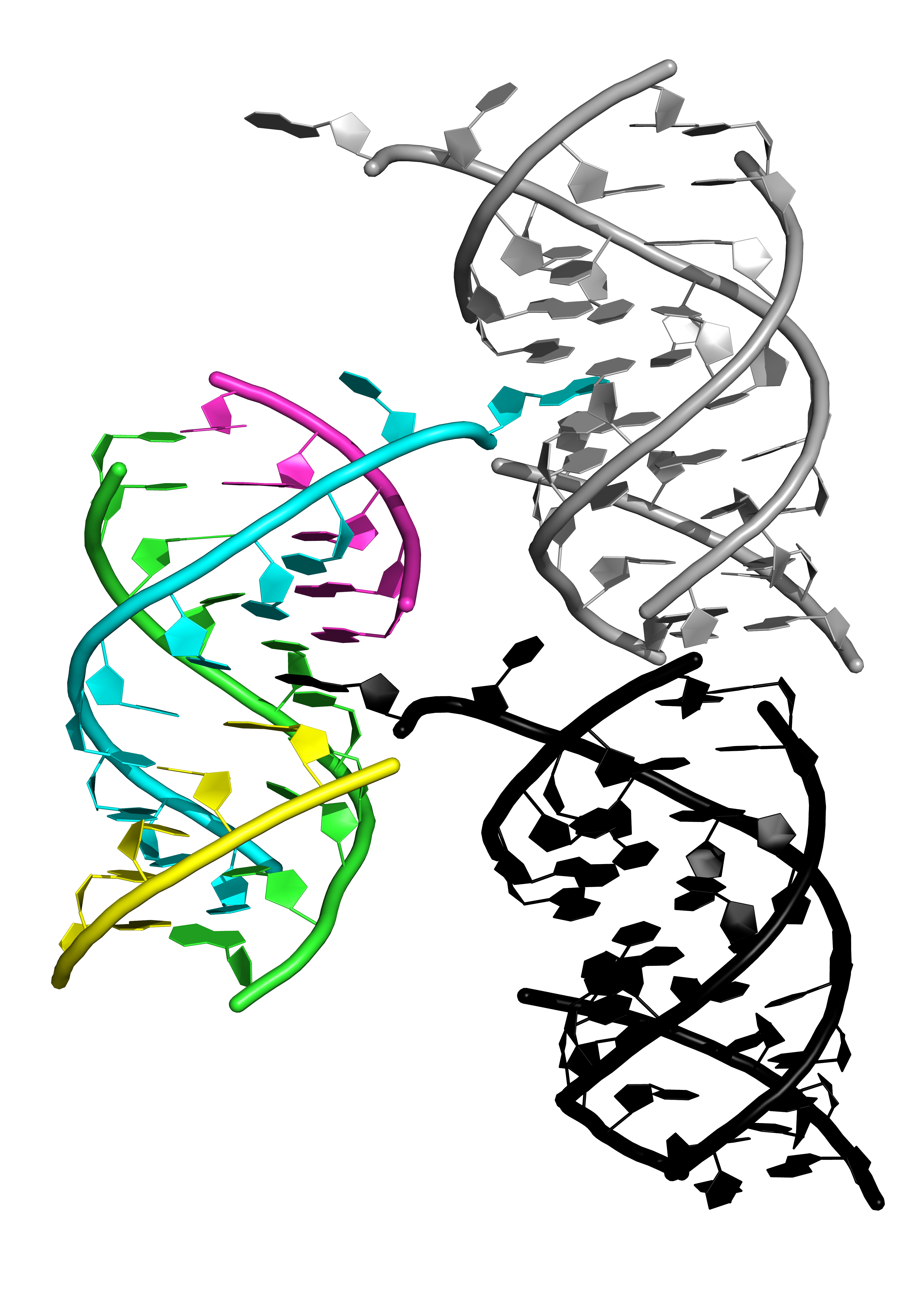
Researching the chemical plausibility of the "RNA World" by exploring the stability, reactivity, and self-assembly properties of RNA and its components under plausible prebiotic scenarios.
(See: Articles No. 16, 23, 24, 26 to 28, 30 to 32 in Publications List)
Researching the chemical plausibility of the "RNA World" by exploring the stability, reactivity, and self-assembly properties of RNA and its components under plausible prebiotic scenarios.
(See: Articles No. 16, 23, 24, 26 to 28, 30 to 32 in Publications List)